CMRI Director

  • Professor Mohamed Abdellatif is the Director of the Channel Maintenance Research Institute at the National Water Research Center, Egypt, with over 30 years of experience in hydraulic engineering and water resources management.
  • He has led major national and regional projects across Egypt and the Nile Basin, including senior roles in basin-wide water assessment and strategic planning.
  • His work focuses on sustainable river and canal systems, aquatic weed management, sediment dynamics, and hydraulic system performance.
  • He is an active academic and leader committed to translating research into practical solutions that support climate resilience, food security, and sustainable water management.

Research & Projects

View More

Team Work

View More

Consultation & Services

View More

Org Structure & Facilities

View More

One of the 12 scientific pillars of the National Water Research Center
CMRI Overview

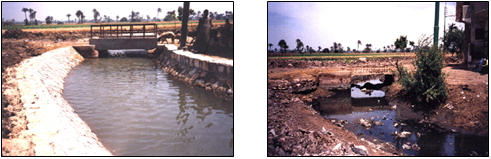
Channel Maintenance Research Institute (CMRI) is one of 12 research institutes in the National Water Research Center (NWRC) of the Ministry of Water Resources and Irrigation (MWRI).  CMRI was established in 1975 to conduct and propose implementable solutions for the ministry in the field of open waterways management (e.g., design, rehabilitation, maintenance, and aquatic weed management) to achieve water saving and quality preservation. CMRI is one of the leading institutions in Egypt that is designing and maintaining open waterways and is also one of the pioneers in the biological management of aquatic weeds using the herbivorous fish, grass carp.

Area of Expertise

  1. Development and rehabilitation of  open channels
    • Design of open channels.
    • Analyze and evaluate the open channels' hydraulic efficiency.
    • Assess open channel capacity to carry the required discharges.
    • Develop methods to reduce water losses in waterways.
    • Maintenance of open channels.
  2. Developing methods for maintaining and protecting open and covered channels  from sand dune encroachment
    • Determination of appropriate maintenance procedures for each waterway condition.
    • Performance evaluation and following-up the applied maintenance programs on waterways.
    • Maintenance of watercourses against the movement of dunes and sand dunes.
  1. Development, design, and maintenance of trash rack/ barrier for trapping aquatic weeds and debris

    • Design debris barrier.
    • Improving existing weed barriers in Egypt.
    • Evaluating the hydraulic performance of various types of weed barriers
  1. Monitoring and assessing weed infestation areas and utilizing them
    • Prepare to integrate maintenance programs for managing the overgrowth of weeds.
    • Evaluate, technically and economically, the performance of mechanical equipment used for weed removal.
    • Evaluate applied aquatic weeds maintenance programs (mechanical, biological, and manual). - Study the use of secondary agricultural products to control algae blooming in the waterways.
  1. Development Biological methods of controlling aquatic weeds and maximizing the use of water units in fish farms
    • Evaluate using various biological means (fish, insects, fungus, etc.) to manage weed overgrowth in open channels.
    • Artificial propagation of the herbivorous fish, grass carp.
CMRI Vision

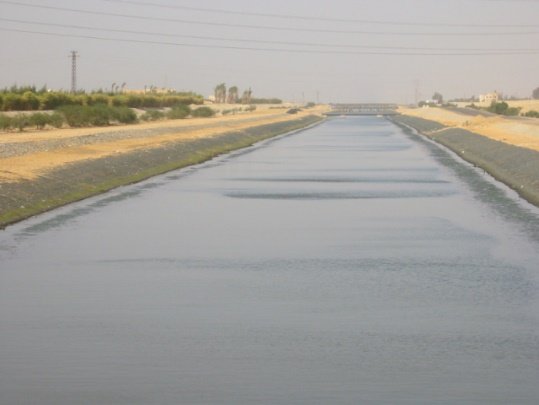
To achieve leadership and excellence in research, programs, and applications for the maintenance of open channels, ensuring their sustainable and efficient management, which contributes to preserving water resources and their proper use.

CMRI Mission

The Channel Maintenance Research Institute is one of the twelve scientific institutes of the National Water Research Center. Its mission is to develop and provide effective scientific and technical solutions to the challenges associated with the design and maintenance of open channels and the control of aquatic weeds.

This mission aims to support water resources strategies through the following axes:

  • Developing technical solutions: Innovating practical methods for designing, rehabilitating, and maintaining open channels to ensure efficient water conveyance.
  • Sustainable management: Improving water use efficiency and preserving water quality by reducing losses resulting from channel blockages or deterioration.
  • A physical modeling approach is employed to simulate open-channel flow conditions, allowing controlled laboratory replication of hydraulic behavior within irrigation canals.
  • Biological and environmental control: Pioneering the use of biological (such as grass carp) and mechanical methods to control aquatic weeds without harming the ecosystem.
  • Applied scientific research: Conducting field studies and providing technical consultations that support the state's national objectives in the irrigation and agriculture sector.
  • Capacity building: Organizing training initiatives to enhance the skills of personnel working in the open channels maintenance sector.