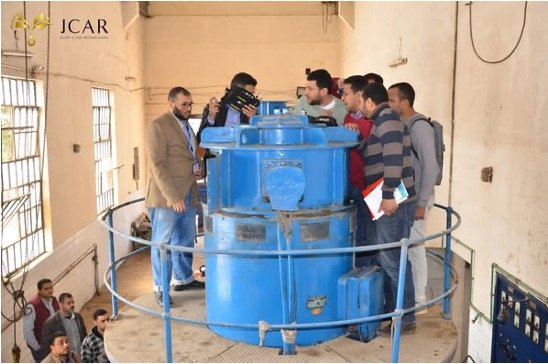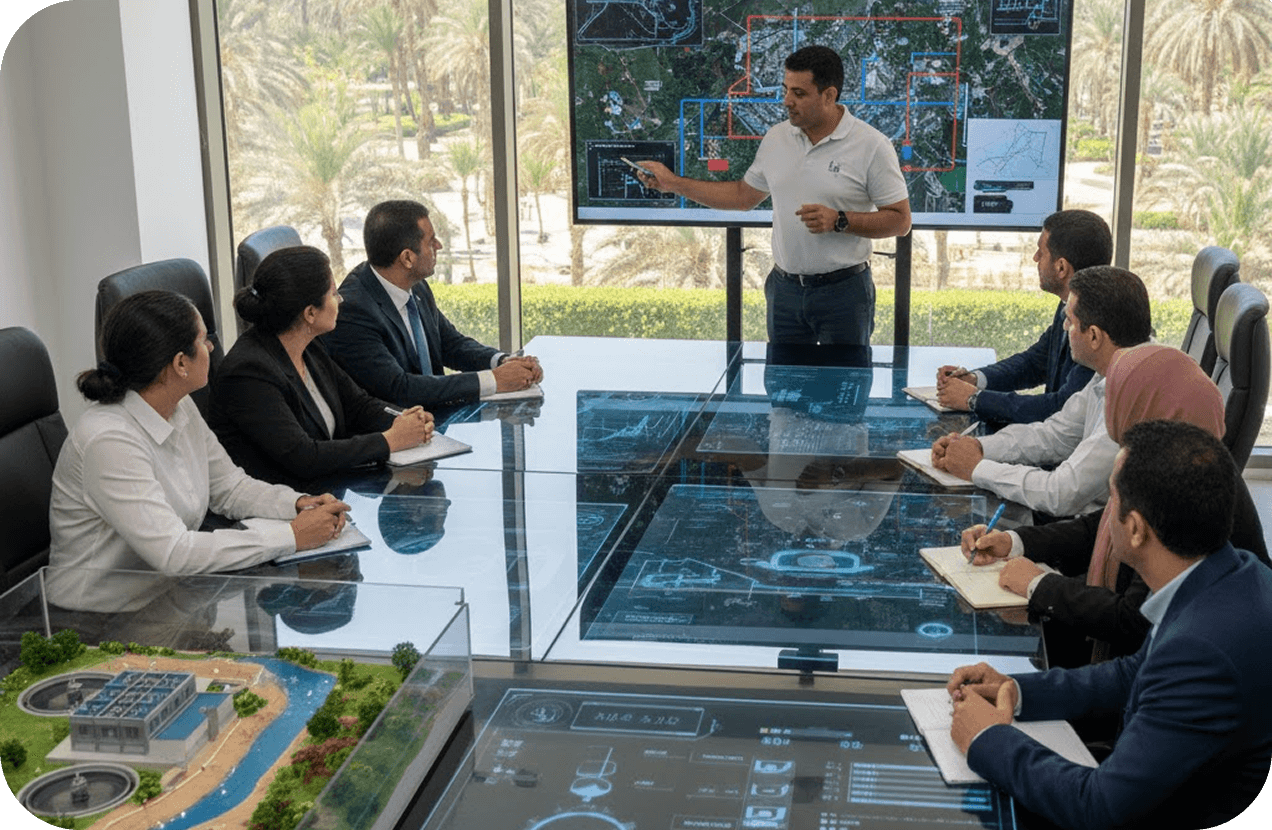
Capacity Building & Technical Training
For over four decades, NWRC has been at the forefront of human resource development in the water sector, offering tailored training and knowledge exchange platforms. Key offerings include:
- National and regional capacity-building programs for engineers, researchers, and decision-makers
- Short courses, workshops, and technical diplomas in irrigation, GIS, hydrology, and climate resilience
- Specialized training for Nile Basin countries, African institutions, and Arab region professionals
- Technical mentoring for postgraduate research (MSc/PhD) and junior professionals through NWRC’s affiliated institutes
NWRC’s training model blends theoretical foundations with practical applications, using its rich lab, field, and modeling infrastructure.
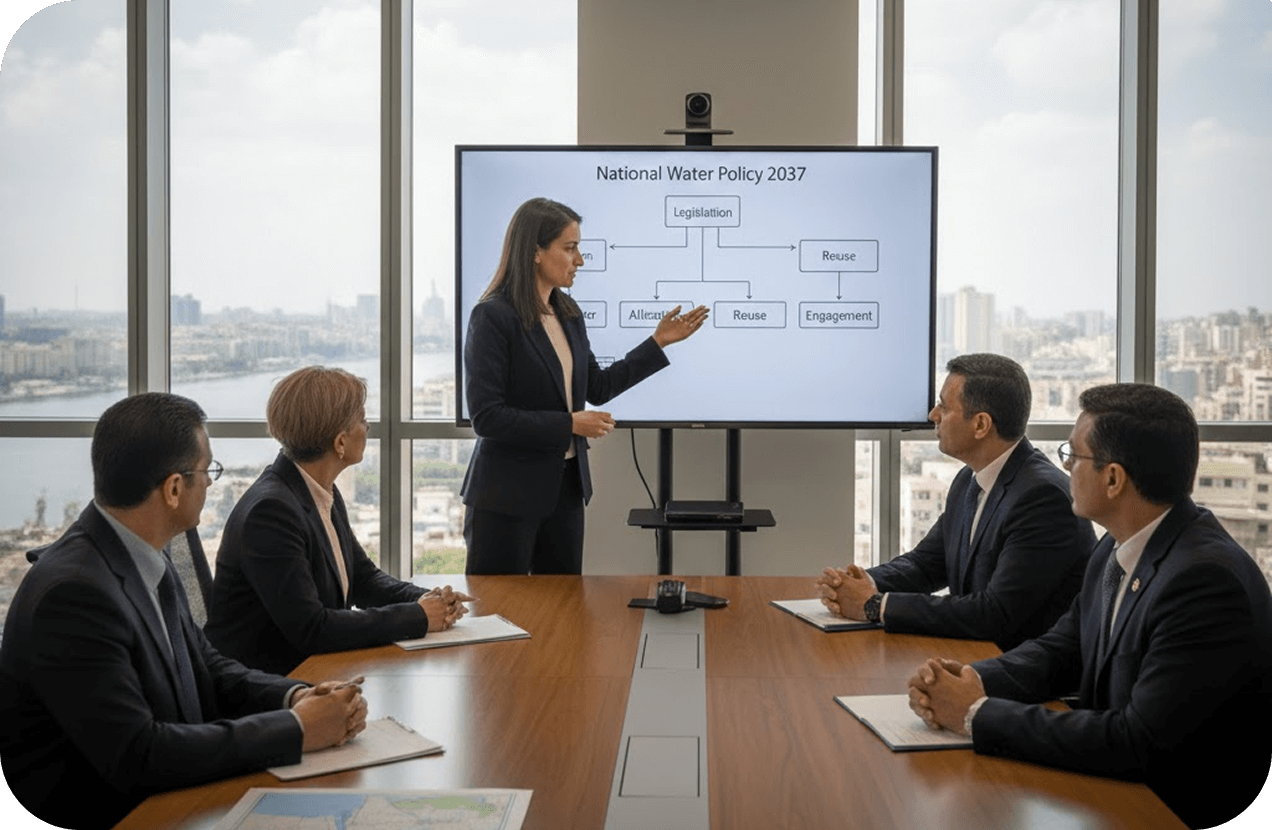
Water Governance & Policy Advisory
NWRC acts as a trusted advisor to the Ministry of Water Resources and Irrigation (MWRI), supporting policy formulation and strategic planning. Core contributions include:
- Scientific input to Egypt’s National Water Resources Plan 2037 and other national strategies
- Policy briefs and technical papers on water allocation, legislation, and reuse
- Facilitation of stakeholder dialogue and participatory planning
- Representation in regional and global platforms, including UNESCO, GCF, WWC, and AMCOW
NWRC also contributes to drafting laws, setting standards, and conducting regulatory impact assessments that strengthen Egypt’s water governance system.
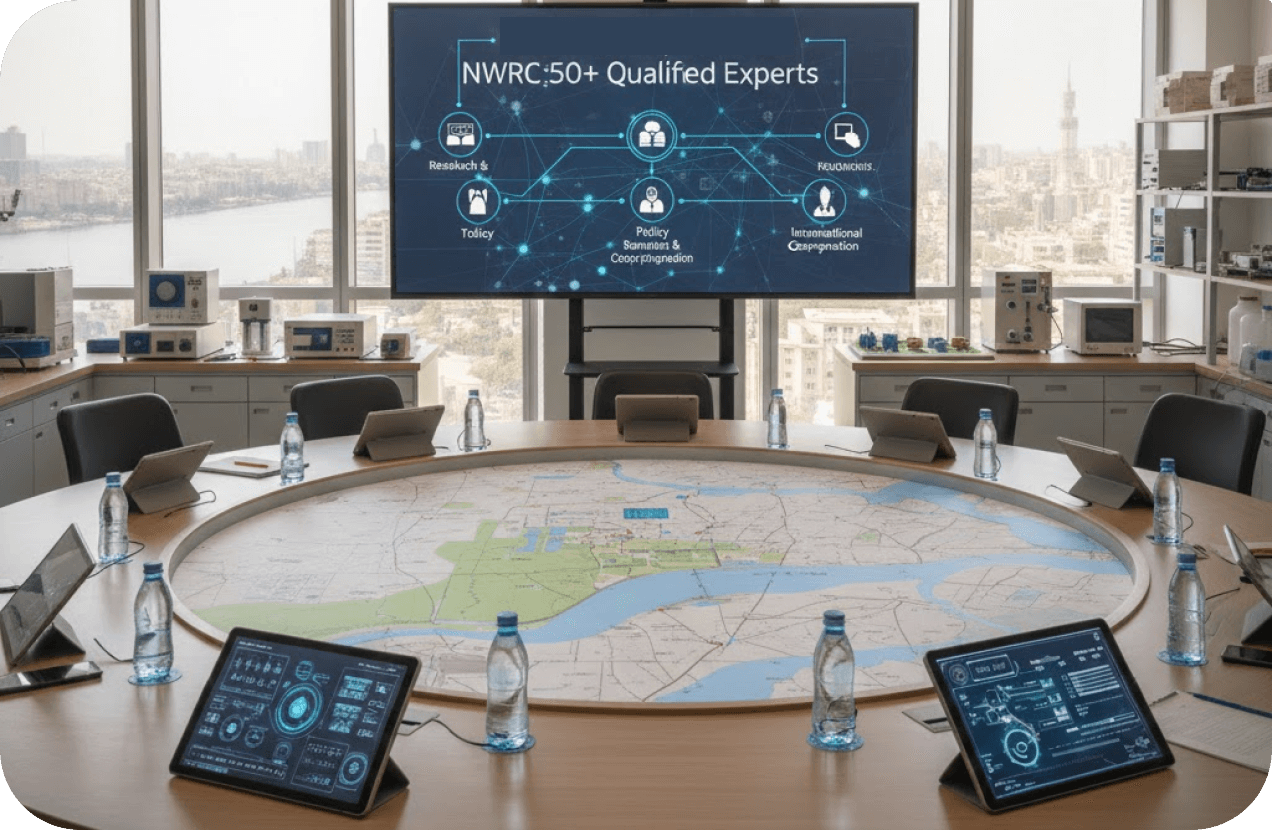
Our Distinctive Strengths in Capacity & Policy
- More than 500 highly qualified experts across 12 institutes with cross-disciplinary expertise
- Established record of training over 10,000 professionals from Egypt, Africa, and the Middle East
- Long-standing role in policy-research interface and national water planning
- Institutional partnerships with leading training bodies, ministries, and multilateral agencies
- Access to research outputs, models, and field data to support evidence-based policy design
NWRC Research Output & Expertise
Explore the comprehensive output of the National Water Research Center through its published research, expert network, and applied technical solutions.
Kamal, N., Ghanem, A. and Abuzeid, A., 2025. Investigating the influence of parameters on Pump Intake Design through the integration of CFD-GIS. International Journal, 14(6).
Prof. / Ayman Youssef I. Ewida
Prof. / Safaa Mahmoud Ezzat
Prof./ Hossam El-Din Samir Jahin
Batisha, A., 2022. Horizon scanning process to foresight emerging issues in Arabsphere’s water vision. Scientific Reports, 12(1), p.12709.
Tohamy, M. and Mostafa, H., 2026. Impact of climate change on crop production and water-use efficiency in Rashid City, Egypt. Water Science, 40(1), p.7.

Eng. Randa Bakr Farghaly
Dr. Mohamed Attia Abd El-Latif Attia

Dr. Majd al-Din Ahmad Fuad

Dr. Adham Osama Ahmed

Dr. AbdAllah Hussein Ibrahim
Prof. Khaled Mohamed kotb Fetyan
MERI Projects
MERI Projects 07 April, 2026 Cairo, Egypt Projects Overview Performance enhancement of pumping stations for irrigation and drainage (Asset Management System). Power factor improvement for irrigation and drainage pumping stations. Developing a low-cost, low-energy telemetry system. Cathodic...
Read More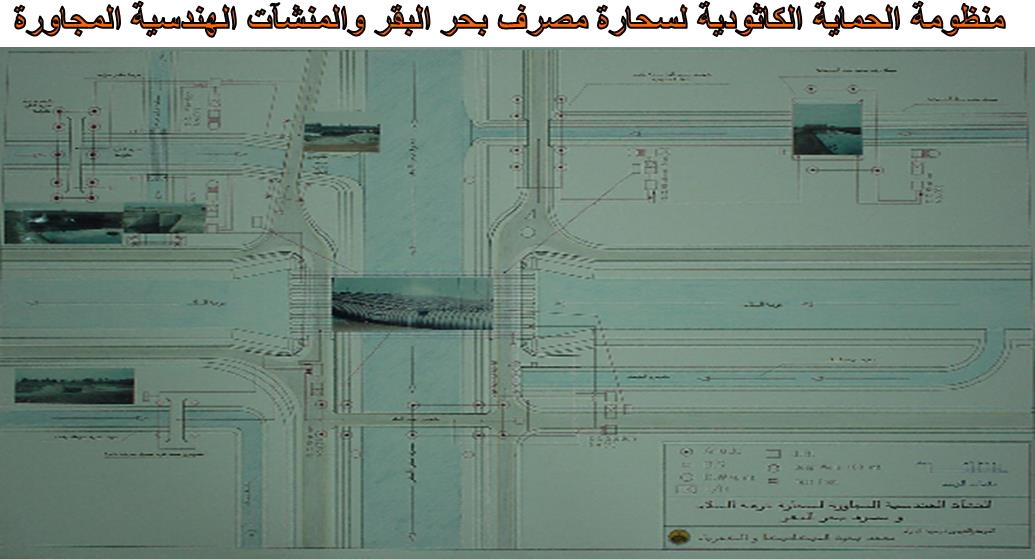
Aquatic Weed Management in Landing Sites on Lakes Kyoga and Albert, Uganda
Aquatic Weed Management in Landing Sites on Lakes Kyoga and Albert, Uganda 13 December, 2025 Cairo, Egypt Project Overview Heavy infestation along the shores of Lakes Kyoga and Albert in Uganda, driven mainly by Salvinia, disrupted daily...
Read More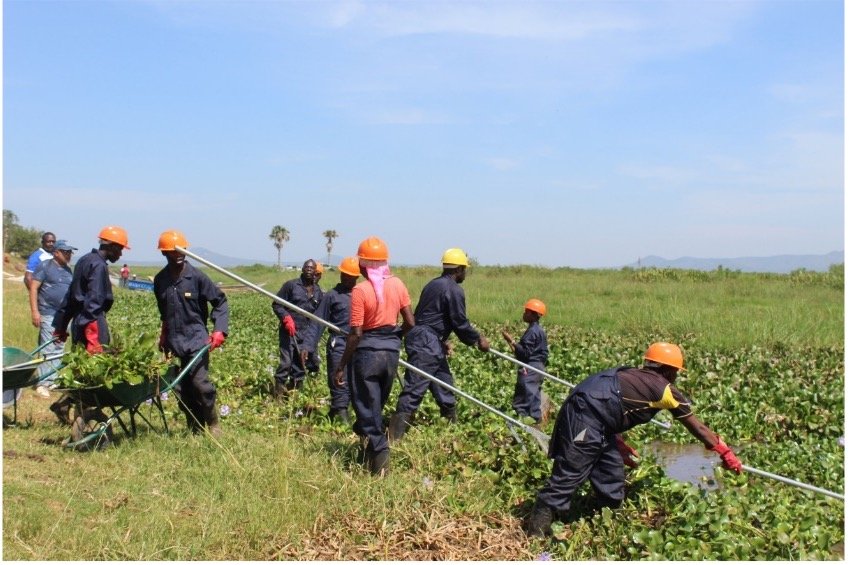
The Joint Cooperation in Applied Research Programme (JCAR)
The Joint Cooperation in Applied Research Programme (JCAR) is a long-term partnership between Egypt and the Netherlands designed to advance sustainable water management through applied research, policy support, innovation, and capacity development. Bringing together key institutions such...
Read More