NWRC's Strategic Role and Impact
Surface Water Hydraulics & Hydrology
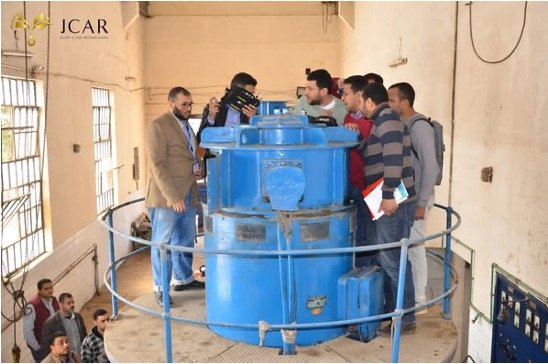
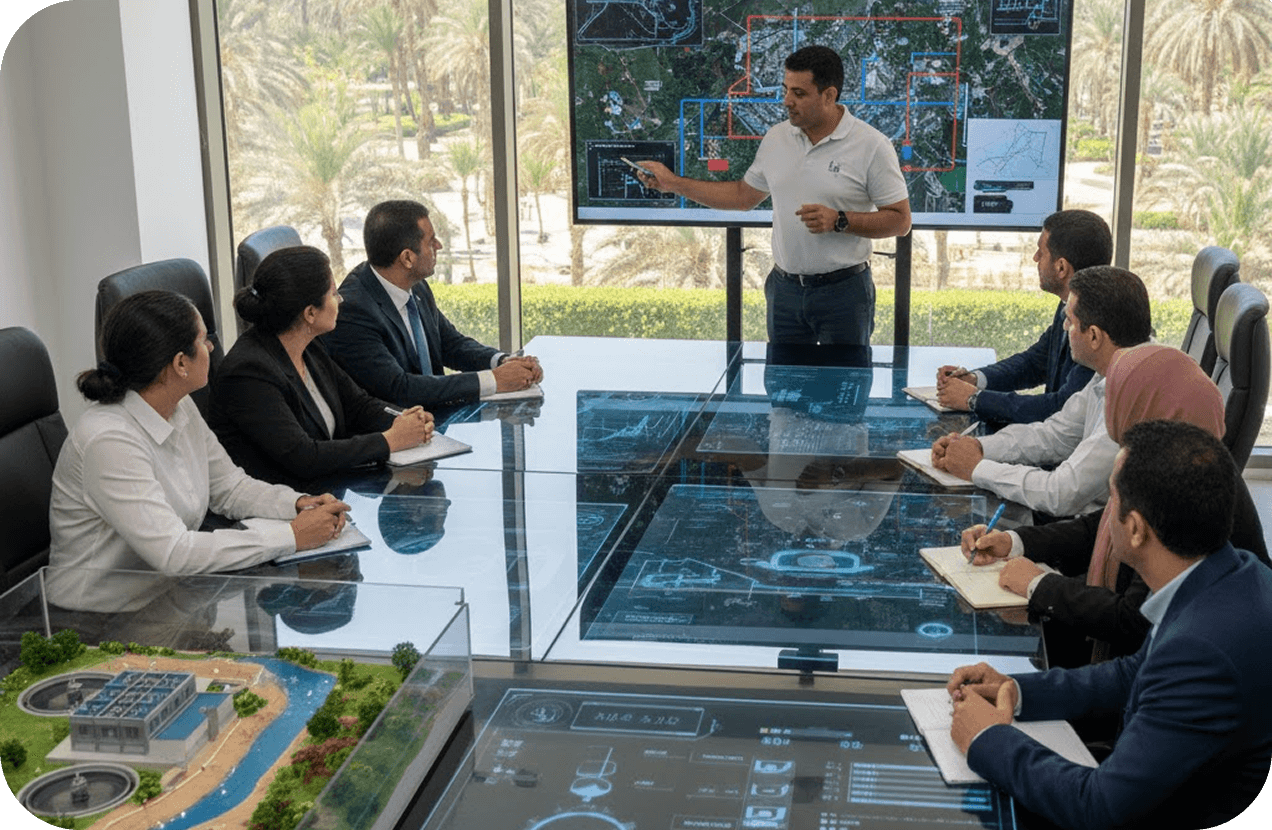
NWRC conducts cutting-edge research in river hydraulics, flood management, sediment transport, and hydrological forecasting. Key strengths include:
- Large-scale physical modeling halls for rivers, canals, and barrages
- Advanced hydrodynamic modeling software for flood and irrigation system simulation
- A robust national surface water monitoring network with over 200 hydrological stations
- Studies supporting the design and rehabilitation of key Nile River structures and irrigation infrastructure
NWRC has supported major national projects such as the Aswan High Dam studies, Delta Barrage rehabilitation, and irrigation modernization programs.
Groundwater Resources & Aquifer Management
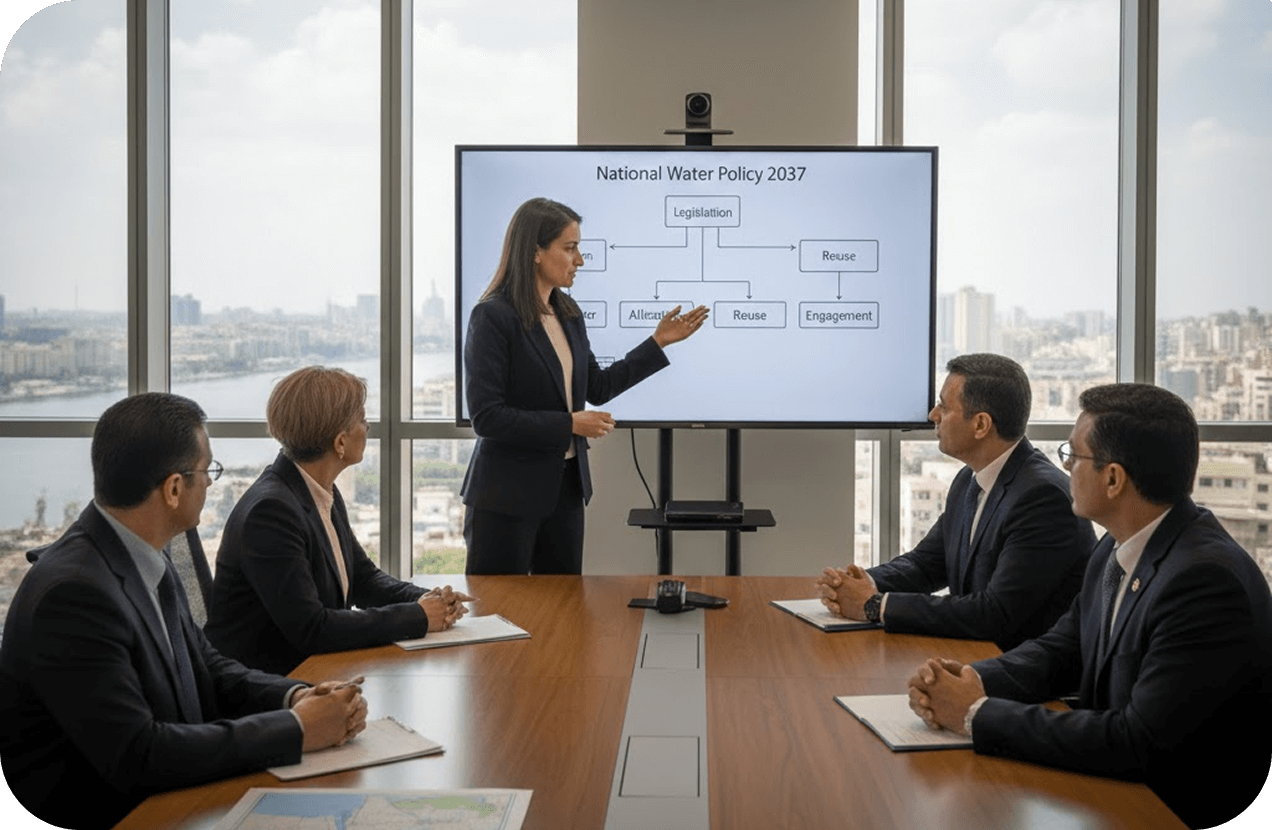
NWRC provides scientific guidance for sustainable groundwater development through:
- Geophysical and magnetic survey tools for aquifer identification
- Field and lab-based aquifer characterization and well testing
- Numerical modeling of groundwater flow, recharge potential, and salinity intrusion
- National-scale studies for groundwater quality monitoring and protection
Irrigation, Drainage & Agricultural Water Management
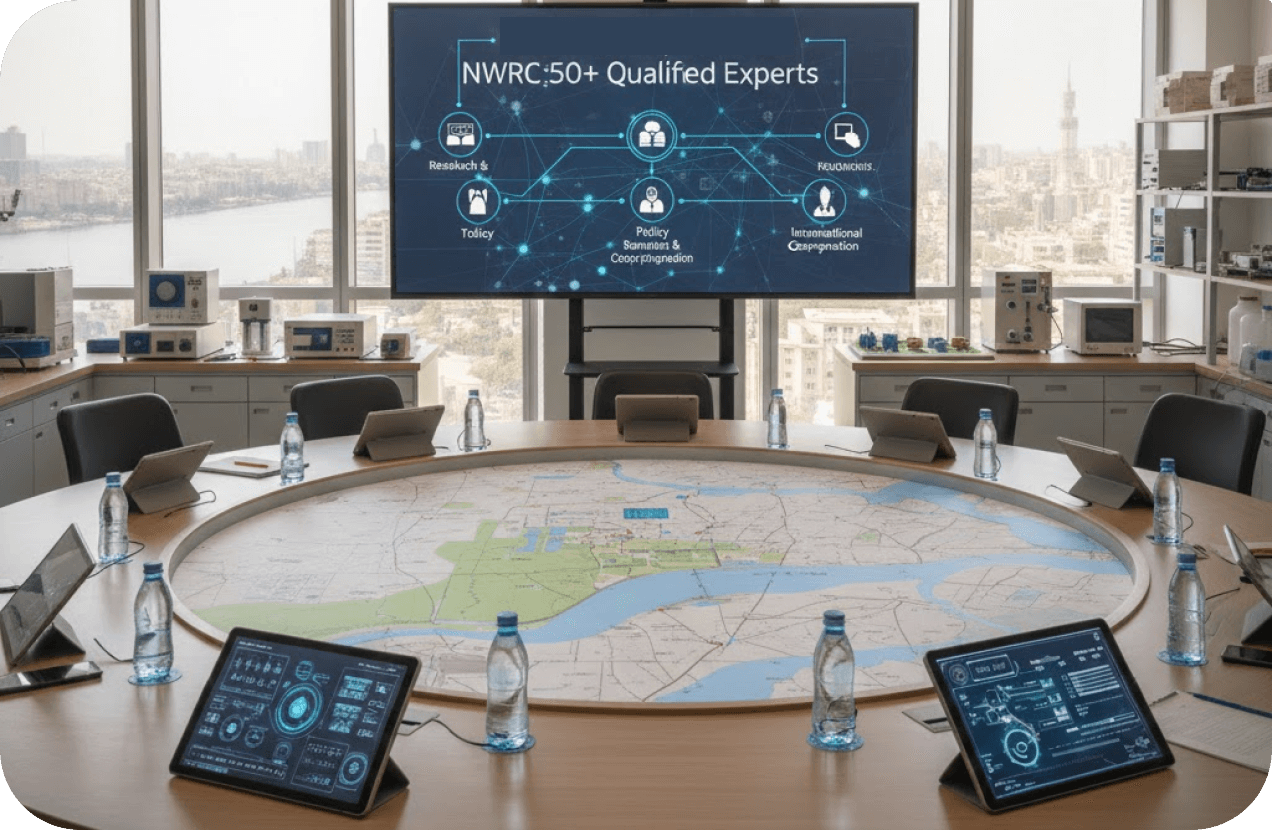
NWRC supports Egypt’s efforts to optimize agricultural water use through:
- Field-scale studies on water-use efficiency and on-farm irrigation systems
- Research on drainage water reuse, salinity control, and water productivity
- Development of smart irrigation tools and localized irrigation scheduling models
- Advisory services for national and international irrigation projects
Integrated Water Resources Management (IWRM)
A cross-cutting domain, NWRC applies IWRM principles to guide Egypt’s water governance and development strategies. Key contributions include:
- Water balance assessments at basin, regional, and national scales
- Support for multi-sectoral water allocation planning
- Decision-support systems integrating climate, hydrological, and socio-economic data
- Capacity building for water policy design, stakeholder coordination, and regulatory frameworks
NWRC’s IWRM work underpins national water strategies and donor-supported initiatives such as the 2037 National Water Resources Plan.
Our Distinctive Strengths in Water Resources Systems
- Over 50 years of institutional experience in Egypt’s most complex water systems
- Unique combination of field stations, labs, and modeling centers under one umbrella
- Proven track record in supporting national water policies, irrigation reforms, and climate resilience
- Strong partnerships with international research institutions, regional water authorities, and UN agencies
NWRC Research Output & Expertise
Explore the comprehensive output of the National Water Research Center through its published research, expert network, and applied technical solutions.
Kamal, N., Ghanem, A. and Abuzeid, A., 2025. Investigating the influence of parameters on Pump Intake Design through the integration of CFD-GIS. International Journal, 14(6).
Prof. / Ayman Youssef I. Ewida
Prof. / Safaa Mahmoud Ezzat

Eng. Randa Bakr Farghaly

Dr. Mohamed Attia Abd El-Latif Attia

Dr. Majd al-Din Ahmad Fuad

Dr. Adham Osama Ahmed

Dr. AbdAllah Hussein Ibrahim

Prof. Khaled Mohamed kotb Fetyan
MERI Projects
MERI Projects 07 April, 2026 Cairo, Egypt Projects Overview Performance enhancement of pumping stations for irrigation and drainage (Asset Management System). Power factor improvement for irrigation and drainage pumping stations. Developing a low-cost, low-energy telemetry system. Cathodic…
Read More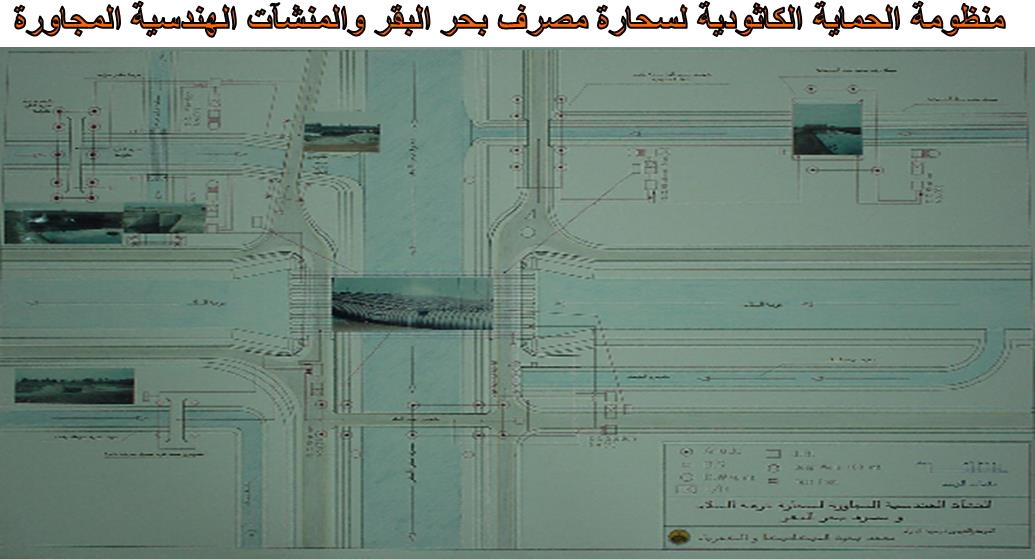
Aquatic Weed Management in Landing Sites on Lakes Kyoga and Albert, Uganda
Aquatic Weed Management in Landing Sites on Lakes Kyoga and Albert, Uganda 13 December, 2025 Cairo, Egypt Project Overview Heavy infestation along the shores of Lakes Kyoga and Albert in Uganda, driven mainly by Salvinia, disrupted daily…
Read More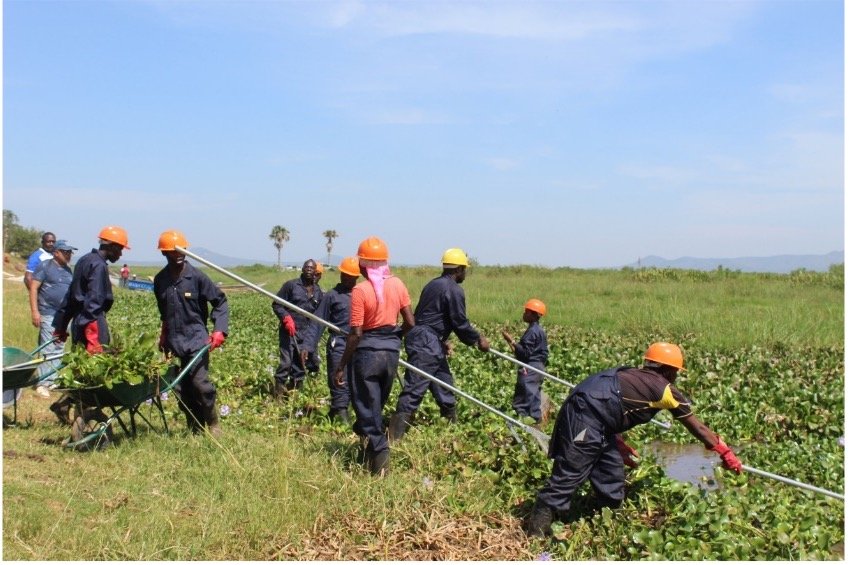
The Joint Cooperation in Applied Research Programme (JCAR)
The Joint Cooperation in Applied Research Programme (JCAR) is a long-term partnership between Egypt and the Netherlands designed to advance sustainable water management through applied research, policy support, innovation, and capacity development. Bringing together key institutions such…
Read More